How Many Calories Should I Eat Daily?
How Many Calories Should I Eat Daily? A Complete Guide to Your Daily Calorie Needs
Have you ever wondered, how many calories should I eat daily to maintain a healthy weight, lose extra body fat, or gain weight? Understanding your daily calorie requirements is one of the most important steps toward achieving your health and fitness goals.
Every person needs a certain amount of energy to support normal body functions. Your body uses energy even when you are sleeping, sitting, or relaxing. It needs calories to keep your heart beating, maintain body temperature, support brain activity, digest food, and perform everyday movements.
However, calorie requirements are not the same for everyone. Some people need more calories because they have larger bodies, more muscle mass, or active lifestyles. Others may need fewer calories because they have smaller bodies or spend most of their day sitting.
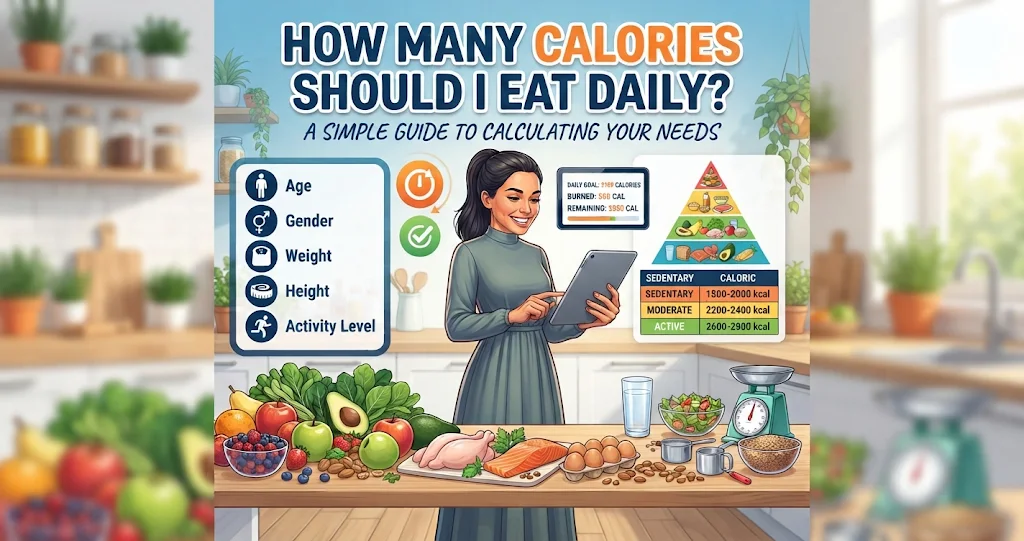
Your daily calorie needs depend on several important factors, including:
- Age and biological sex.
- Current body weight.
- Height and body composition.
- Physical activity level.
- Metabolic rate.
- Exercise habits.
- Personal health and fitness goals.
For example, an individual who exercises five days a week may require more energy than someone who works at a desk and rarely exercises.
The good news is that you do not have to guess your calorie requirements. You can estimate them using a calorie calculator, BMR calculator, or TDEE calculator.
In this detailed guide, we will explain how many calories you should eat daily, how calorie requirements are calculated, how to choose the right calorie intake for different goals, and how to build a balanced eating routine.
Let’s get started!
1. How Many Calories Should I Eat Daily?
The number of calories you should eat each day depends on your personal energy requirements.
As a general reference, commonly used average daily calorie estimates for adults are:
Adult group | Approximate daily calories |
Women | 2,000 |
Men | 2,500 |
These numbers are broad reference values, not fixed requirements for every adult.
For instance, a woman who regularly exercises may need more than 2,000 calories, while another woman with a sedentary lifestyle may need less.
Similarly, a man’s calorie requirements depend on his height, weight, age, muscle mass, and daily movement.
The important point: Your calorie target should be based on your body and lifestyle rather than someone else’s diet plan.
Why Do Daily Calorie Needs Differ?
Imagine two people who are both 25 years old.
- Person A weighs 55 kg, is 160 cm tall, and has a sedentary lifestyle.
- Person B weighs 85 kg, is 180 cm tall, and exercises regularly.
Although they have the same age, their daily energy requirements are likely to be different.
This happens because the body uses energy according to its size, composition, and activity level.
A personalized calorie estimate gives you a more useful starting point than relying on average calorie recommendations.
2. What Are Calories and How Do They Work?
How to track your macros | Live Science
A calorie is a unit of energy. In nutrition, calories describe the amount of energy your body obtains from food and drinks.
Your body uses this energy for both essential biological functions and physical activities.
For example, calories help your body:
- Breathe and circulate blood.
- Maintain normal body temperature.
- Support brain function.
- Move muscles and perform physical activities.
- Digest and absorb nutrients.
- Repair cells and body tissues.
- Support normal organ function.
Even when you are resting, your body continues using energy.
Where Do Calories Come From?
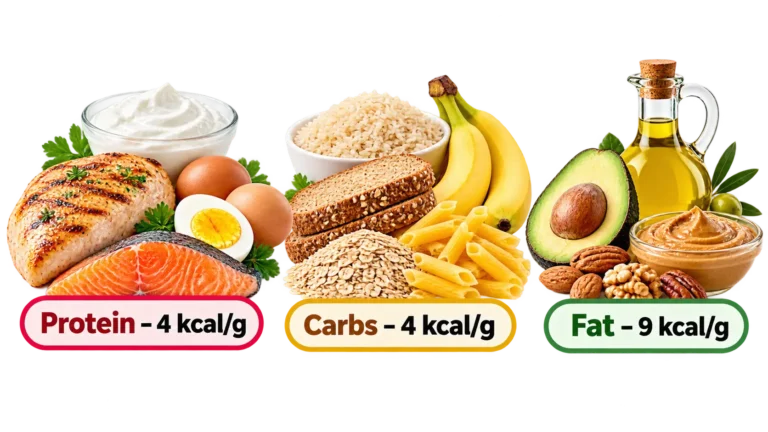
Most of the calories in your diet come from three main macronutrients:
1. Protein
Protein provides approximately 4 calories per gram. It supports muscle maintenance, tissue repair, and many other important body functions.
Protein-rich foods include eggs, chicken, fish, milk, yogurt, beans, and lentils.
2. Carbohydrates
Carbohydrates provide approximately 4 calories per gram. They are an important source of energy for your brain and muscles.
Common sources include rice, oats, potatoes, fruits, vegetables, and whole grains.
3. Fat
Dietary fat provides approximately 9 calories per gram. It helps with hormone production, nutrient absorption, and other essential functions.
Sources include nuts, seeds, olive oil, avocados, and fatty fish.
Nutrient | Calories per gram | Main role |
Protein | 4 kcal | Muscle and tissue support |
Carbohydrates | 4 kcal | Energy |
Fat | 9 kcal | Energy and essential body functions |
Alcohol | 7 kcal | Energy, but not an essential nutrient |
This is commonly known as the 4-4-9 calorie rule for protein, carbohydrates, and fat.
3. How Many Calories Should I Eat Based on Age?
Age can influence your daily calorie requirements because body composition, growth, metabolism, and physical activity may change throughout life.
Walking in a park.
Calories for Children and Teenagers
Children and teenagers need sufficient calories to support growth, development, and everyday activities.
Their energy requirements depend on:
- Age and growth stage.
- Height and body weight.
- Physical activity.
- Developmental needs.
- Overall health.
Teenagers who participate in sports may require additional energy.
It is important not to apply adult weight-loss calorie targets to growing children or teenagers. Any dietary restriction should be discussed with a qualified healthcare professional.
Calories for Adults Aged 18–30
Young adults may have relatively high energy requirements, particularly when they are physically active.
Their calorie needs depend on body size, muscle mass, exercise habits, and daily movement.
Some young adults spend much of their time studying or working at a desk, while others participate in regular sports or gym activities.
Calories for Adults Aged 31–50
During this stage of life, lifestyle and activity levels can have a significant effect on daily energy requirements.
Busy schedules, desk jobs, family responsibilities, and changes in exercise habits may affect how much energy a person uses.
Maintaining regular physical activity and eating balanced meals can help support a healthy lifestyle.
Calories for Adults Aged 51–65
Some adults in this age group experience changes in muscle mass and physical activity.
These changes may influence their calorie requirements.
However, reducing calories should not mean ignoring nutritional needs. Protein, fiber, vitamins, minerals, and other nutrients remain important.
Calories for Adults Over 65
Older adults may need fewer calories depending on their activity level and body composition.
However, adequate nutrition is especially important for supporting muscle function, bone health, and overall well-being.
A healthcare professional or registered dietitian can help determine appropriate nutritional needs.
4. How Many Calories Should I Eat Based on Activity Level?
Your activity level is one of the most important factors when estimating daily calorie requirements.
Two people with similar body measurements may need different amounts of energy because one exercises regularly while the other spends most of the day sitting.
Most TDEE calculators use five common activity categories.
1. Sedentary
A sedentary lifestyle involves very little planned exercise and limited daily movement.
Examples include:
- Working at a computer.
- Studying for several hours.
- Watching television.
- Sitting for most of the day.
- Walking only when necessary.
People with sedentary lifestyles generally have lower calorie requirements.
2. Lightly Active
A lightly active person performs some physical activity during the week.
Examples include:
- Walking regularly.
- Doing household activities.
- Light exercise one to three days per week.
- Taking short walks.
- Performing light recreational activities.
This activity category generally requires more energy than a sedentary lifestyle.
3. Moderately Active
Moderately active people exercise regularly and move throughout the day.
Examples include:
- Gym workouts.
- Cycling.
- Swimming.
- Brisk walking.
- Recreational sports.
People in this category usually have higher calorie requirements than sedentary individuals.
4. Very Active
Very active individuals perform frequent or intense exercise.
Examples include:
- Running several days per week.
- Intensive strength training.
- Playing competitive sports.
- Performing physically demanding work.
- Following regular athletic training programs.
Their energy requirements can be considerably higher.
5. Extra Active
Extra active individuals have extremely demanding daily routines.
Examples include:
- Athletes following intensive training schedules.
- People performing heavy physical labor.
- Individuals combining demanding jobs with frequent exercise.
This group may require substantially more energy to support daily activities and recovery.
Activity Multipliers Used in TDEE Calculations
Activity level | Multiplier | Description |
|---|---|---|
Sedentary | 1.2 | Little or no exercise |
Lightly active | 1.375 | Light exercise 1–3 days/week |
Moderately active | 1.55 | Moderate exercise 3–5 days/week |
Very active | 1.725 | Hard exercise 6–7 days/week |
Extra active | 1.9 | Very intense activity or physical work |
These multipliers are commonly used estimation factors. Actual energy expenditure can vary considerably.
5. How Many Calories Should I Eat to Lose Weight?
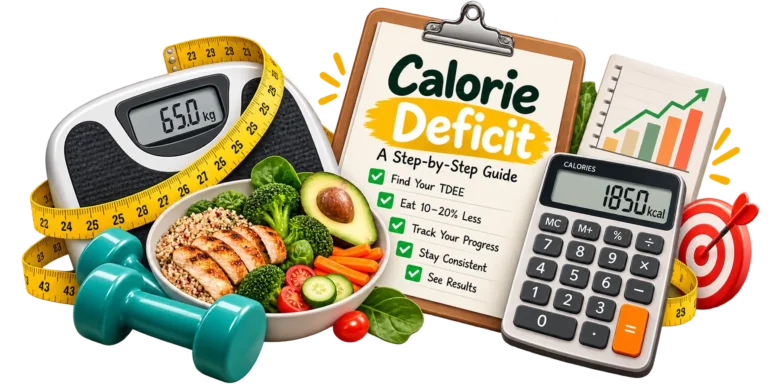
If you want to lose weight, you generally need to consume fewer calories than your body burns.
This is known as a calorie deficit.
For example, imagine your estimated maintenance calories are 2,300 calories per day.
If you consume approximately 2,000 calories, your estimated daily calorie deficit would be 300 calories.
Daily energy use | Food calories | Difference |
|---|---|---|
2,300 | 2,300 | Maintenance |
2,300 | 2,100 | 200 deficit |
2,300 | 2,000 | 300 deficit |
2,300 | 1,900 | 400 deficit |
A moderate calorie deficit may support gradual weight loss, although the appropriate target varies between individuals.
How to Start a Calorie Deficit
Step 1: Calculate your maintenance calories.
Use your age, weight, height, and activity level to estimate your TDEE.
Step 2: Choose a reasonable adjustment.
Consider a moderate reduction rather than suddenly cutting a large number of calories.
Step 3: Eat balanced meals.
Include protein, carbohydrates, healthy fats, fruits, and vegetables.
Step 4: Stay physically active.
Walking, cycling, swimming, and strength training can support your weight-management efforts.
Step 5: Monitor your progress.
Look at changes over several weeks rather than expecting your weight to change every day.
Why Should You Avoid Extreme Calorie Restriction?
Eating too little can make it difficult to obtain the nutrients and energy your body needs.
Very restrictive diets may contribute to:
- Fatigue.
- Difficulty concentrating.
- Nutritional deficiencies.
- Loss of muscle mass.
- Poor exercise performance.
- Increased hunger.
- Difficulty maintaining a balanced eating pattern.
Weight management should focus on health and sustainable habits, not extreme food restriction.
6. How Many Calories Should I Eat to Maintain My Weight?
If your goal is to maintain your current body weight, you generally need to consume approximately the same amount of energy that your body uses.
This is known as calorie maintenance.
For example:
- Estimated TDEE: 2,200 calories.
- Daily food intake: 2,200 calories.
- Estimated energy balance: Maintenance.
However, maintenance calories can change over time.
Your body weight, physical activity, muscle mass, and lifestyle may all influence your energy requirements.
Tips for Maintaining Your Weight
- Eat balanced meals regularly.
- Include a variety of nutritious foods.
- Stay physically active.
- Monitor long-term weight trends.
- Avoid unnecessary extreme dieting.
- Get enough sleep.
- Adjust your eating habits when your activity changes.
Remember that your weight does not need to remain exactly the same every day. Small fluctuations are normal.
7. How Many Calories Should I Eat to Gain Weight?
Weight gain generally requires consuming more calories than your body burns.
This is called a calorie surplus.
For example, if your estimated maintenance requirement is 2,400 calories, consuming more than this amount may support weight gain over time.
However, healthy weight gain should involve nutritious foods and an appropriate exercise routine.
Питание для набора мышечной массы: что есть, сколько и как не набрать жир
Best Foods for Healthy Weight Gain
Protein sources:
- Eggs.
- Chicken.
- Fish.
- Milk.
- Greek yogurt.
- Beans and lentils.
Carbohydrate sources:
- Brown rice.
- Oats.
- Potatoes.
- Whole-wheat bread.
- Whole grains.
Healthy fat sources:
- Almonds.
- Walnuts.
- Peanut butter.
- Olive oil.
- Avocados.
- Seeds.
Practical Weight-Gain Tips
- Eat regular meals.
- Include protein in your diet.
- Add nutritious snacks.
- Include healthy fat sources.
- Perform strength-training exercises.
- Get sufficient sleep.
- Monitor your progress over time.
Avoid relying entirely on sugary drinks, processed snacks, or foods with very little nutritional value.
8. What Is BMR and How Does It Affect Daily Calories?
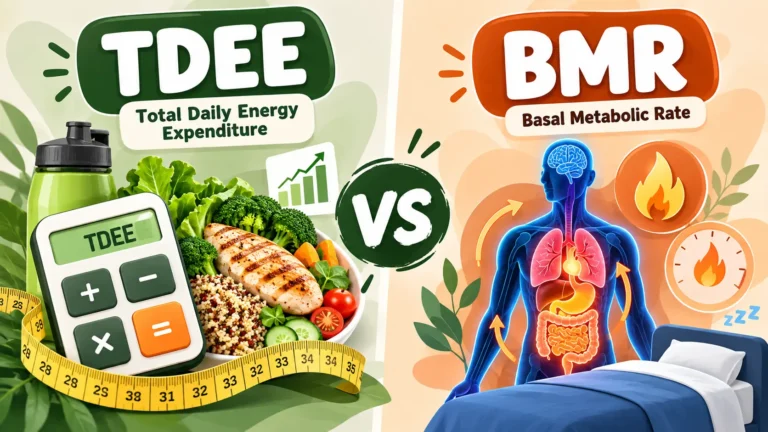
BMR stands for Basal Metabolic Rate.
It estimates the amount of energy your body needs to maintain essential functions while resting.
Your body continues using energy even when you are not physically active.
For example, BMR supports:
- Breathing.
- Heart function.
- Blood circulation.
- Brain activity.
- Body temperature regulation.
- Essential organ functions.
BMR is an important starting point when calculating your daily calorie requirements.
What Factors Affect BMR?
Several factors can influence your estimated BMR:
- Age.
- Sex.
- Height.
- Body weight.
- Lean body mass.
- Genetics.
- Certain health conditions.
People with larger bodies or more lean body mass may have higher resting energy requirements.
How Can You Calculate BMR?
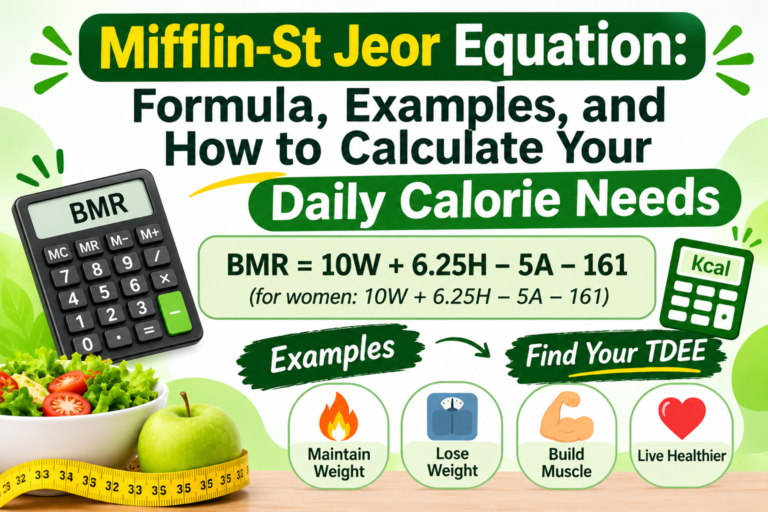
One commonly used method is the Mifflin-St Jeor equation.
For men:
\[ BMR = 10W + 6.25H – 5A + 5 \]
For women:
\[ BMR = 10W + 6.25H – 5A – 161 \]
Where:
- W = Weight in kilograms.
- H = Height in centimeters.
- A = Age in years.
These equations estimate resting energy expenditure. They do not directly calculate your complete daily calorie requirements.
You can use a BMR calculator to estimate this value without performing the calculations manually.
9. What Is TDEE and Why Is It Important?
TDEE stands for Total Daily Energy Expenditure.
It estimates the total number of calories your body burns throughout a typical day.
Unlike BMR, TDEE includes the energy used for physical activity and other daily processes.
Most Accurate TDEE Calculator 2026: Achieve Your Goals – Blue Haven RX
Four Main Components of TDEE
1. Basal Metabolic Rate (BMR)
The energy your body uses for essential functions while resting.
2. Physical Activity
The energy used through walking, household activities, movement, and exercise.
3. Thermic Effect of Food (TEF)
The energy your body uses to digest, absorb, and process food.
4. Non-Exercise Activity Thermogenesis (NEAT)
Energy used for everyday movements that are not planned exercise.
Examples include standing, walking around the house, cleaning, and doing other daily tasks.
BMR vs TDEE: What Is the Difference?
Feature | BMR | TDEE |
|---|---|---|
Full form | Basal Metabolic Rate | Total Daily Energy Expenditure |
Measures | Energy at rest | Total daily energy use |
Includes exercise | No | Yes |
Includes daily movement | No | Yes |
Includes food digestion | Not separately | Yes |
Main purpose | Estimate resting needs | Estimate daily calorie needs |
If your goal is to determine how many calories you should eat daily, TDEE is generally the more useful starting estimate.
10. How to Calculate Your Daily Calorie Needs Step by Step
You can estimate your daily calorie requirements using a simple calculation.
Let’s understand the process with an example.
Example: A 25-Year-Old Woman
Suppose someone has these measurements:
Information | Value |
|---|---|
Age | 25 years |
Weight | 60 kg |
Height | 165 cm |
Sex | Female |
Activity level | Moderately active |
Step 1: Calculate BMR
Using the Mifflin-St Jeor equation:
\[ BMR = (10 \times 60) + (6.25 \times 165) – (5 \times 25) – 161 \]
\[ BMR = 600 + 1031.25 – 125 – 161 \]
\[ BMR = 1345.25 \]
Estimated BMR is approximately 1,345 calories per day.
Step 2: Apply the Activity Multiplier
For a moderately active lifestyle, use 1.55.
\[ TDEE = 1345.25 \times 1.55 \]
\[ TDEE = 2085.14 \]
Estimated TDEE: 2,085 kcal/day
This means the estimated daily energy expenditure is approximately 2,085 calories.
This is an educational calculation, not an individualized diet prescription.
11. How to Use an Online Calorie Calculator
Manually calculating BMR and TDEE can take time.
An online calorie calculator can simplify the process by using your personal measurements and activity level.
Calorie Calculator | Bottleneck Calculator
Most calorie calculators require the following information:
Step 1: Select Your Measurement System
Choose your preferred units.
Common options include:
- Metric: kilograms and centimeters.
- US/Canada: pounds, feet, and inches.
- UK/Ireland.
- Australia/New Zealand.
Step 2: Enter Your Age
Provide your age in years.
Step 3: Select Your Sex
Select the appropriate option used by the calculator’s formula.
Step 4: Enter Your Weight
Enter your current weight in kilograms or pounds.
Step 5: Enter Your Height
Provide your height in centimeters or feet and inches.
Step 6: Select Your Activity Level
Choose the category that best describes your usual activity.
Step 7: Calculate Your Results
After entering the information, click the calculate button.
Depending on the calculator, you may receive:
- BMR.
- TDEE.
- Maintenance calories.
- Estimated weight-loss calories.
- Estimated weight-gain calories.
- Daily macronutrient recommendations.
The results are estimates that can help you understand your energy needs.
Try using our Calorie Calculator to estimate your daily calorie requirements.
12. How Many Calories Should You Eat at Each Meal?
Your total daily calorie intake can be divided into breakfast, lunch, dinner, and snacks.
There is no single meal schedule that everyone must follow. Your meal timing can depend on your daily routine, appetite, work schedule, and personal preferences.
For example, if someone has an estimated daily target of 2,000 calories, they might divide their meals like this:
Meal | Example calorie intake |
|---|---|
Breakfast | 400 kcal |
Morning snack | 150 kcal |
Lunch | 550 kcal |
Afternoon snack | 200 kcal |
Dinner | 600 kcal |
Evening snack | 100 kcal |
Total | 2,000 kcal |
These are illustrative portions, not mandatory calorie limits.
What Should You Eat for Breakfast?
Breakfast can include foods that provide protein, carbohydrates, and fiber.
Examples include:
- Boiled eggs.
- Whole-wheat bread.
- Oatmeal.
- Milk or yogurt.
- Fresh fruits.
What Should You Eat for Lunch?
A balanced lunch may include:
- Chicken or fish.
- Rice or whole-wheat roti.
- Fresh vegetables.
- Salad.
- Yogurt.
What Should You Eat for Dinner?
Dinner can include a combination of protein, vegetables, and carbohydrate sources.
Examples include:
- Grilled chicken.
- Vegetable soup.
- Lentils.
- Whole grains.
- Fresh salad.
Choose meal portions according to your individual energy requirements.
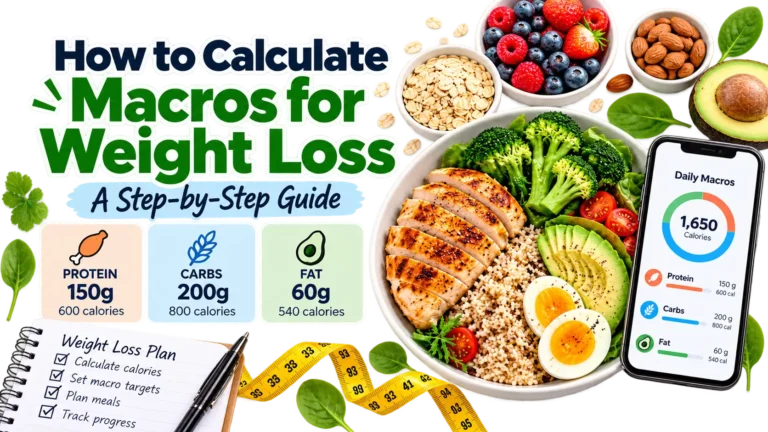
13. How Many Calories Should I Eat From Protein, Carbs, and Fat?
Calories are not only about the quantity of food you eat. The nutritional composition of your diet is also important.
Protein, carbohydrates, and fats are called macronutrients because your body needs them in relatively large amounts.
Protein
Protein provides approximately 4 calories per gram.
It helps with:
- Muscle maintenance.
- Tissue repair.
- Growth and development.
- Enzyme production.
- Normal immune function.
Good protein sources include eggs, chicken, fish, milk, yogurt, beans, and lentils.
Carbohydrates
Carbohydrates provide approximately 4 calories per gram.
They provide energy for everyday activities and exercise.
Good sources include:
- Rice.
- Oats.
- Potatoes.
- Fruits.
- Vegetables.
- Whole-wheat bread.
Dietary Fat
Fat provides approximately 9 calories per gram.
It supports:
- Hormone production.
- Cell function.
- Absorption of fat-soluble vitamins.
- Normal body functions.
Good sources include nuts, seeds, olive oil, avocados, and fish.
Example of a Balanced Macronutrient Distribution
Some adults use the following general distribution as a starting point:
Macronutrient | General calorie percentage |
|---|---|
Carbohydrates | 45–65% |
Protein | 10–35% |
Fat | 20–35% |
These are general adult dietary reference ranges, not a personalized prescription. Your needs may vary depending on health, activity, and goals.
14. How Many Calories Are in Common Foods?
Understanding the calorie content of everyday foods can help you make more informed food choices.
The following values are approximate and can vary according to portion size, ingredients, and preparation methods.
Food | Approximate calories |
|---|---|
1 medium apple | 95 kcal |
1 medium banana | 105 kcal |
1 boiled egg | 75–80 kcal |
1 cup cooked rice | 200 kcal |
1 cup cooked oatmeal | 150 kcal |
100 g chicken breast | 165 kcal |
100 g almonds | 580 kcal |
1 cup whole milk | 150 kcal |
1 medium potato | 160 kcal |
1 tablespoon olive oil | 120 kcal |
100 g plain yogurt | 60–100 kcal |
Why Do Food Preparation Methods Matter?
The way you prepare food can change its calorie content.
For example:
- Boiled potatoes generally contain fewer calories than deep-fried potatoes.
- Grilled chicken may contain fewer added calories than heavily fried chicken.
- Adding oil or butter increases the calorie content of a meal.
- Sugary sauces and dressings can add extra calories.
This does not mean you must avoid your favorite foods. It simply helps you understand how ingredients and portions affect your daily calorie intake.
15. How to Track Your Daily Calories
Tracking your food intake can help you understand your eating habits.
It may be useful when you are trying to understand portion sizes, estimate your energy intake, or monitor changes in your eating routine.
1. Read Food Labels
Food packaging often provides information about:
- Serving size.
- Calories per serving.
- Protein.
- Carbohydrates.
- Total fat.
Check the serving size before comparing calorie values.
2. Understand Portion Sizes
The amount of food you eat matters.
For example, one serving of rice may contain fewer calories than a large bowl.
Using measuring cups or a kitchen scale occasionally can help you understand portion sizes.
3. Keep a Food Journal
You can write down what you eat throughout the day.
A simple food journal may include:
Meal | Food | Estimated calories |
|---|---|---|
Breakfast | Eggs and toast | 300 |
Lunch | Rice and chicken | 550 |
Snack | Apple and yogurt | 180 |
Dinner | Lentils and roti | 450 |
The numbers are examples only.
4. Use a Calorie Tracking App
Some mobile apps allow you to record meals and estimate daily calorie intake.
However, food databases may contain inaccurate entries, so check serving sizes and food information carefully.
5. Avoid Becoming Too Focused on Numbers
Tracking calories should be a helpful tool, not a source of stress.
If calorie tracking negatively affects your relationship with food, consider discussing other approaches with a qualified professional.
16. Common Mistakes People Make When Counting Calories
Even when you use a calorie calculator, certain mistakes can make your estimates less useful.
Mistake 1: Choosing the Wrong Activity Level
Selecting very active when you spend most of your day sitting may produce an overly high calorie estimate.
Choose the activity level that best represents your usual routine.
Mistake 2: Forgetting Drinks
Some beverages contain calories.
Examples include:
- Soft drinks.
- Sweetened coffee.
- Milkshakes.
- Fruit juices.
- Sugary tea.
Remember that drinks can contribute to your overall energy intake.
Mistake 3: Ignoring Cooking Oils
Cooking oil, butter, and sauces can add calories to meals.
Consider them when estimating your total food intake.
Mistake 4: Copying Another Person’s Diet
Your calorie needs are personal.
A calorie target suitable for your friend, family member, or fitness influencer may not be appropriate for you.
Mistake 5: Expecting Immediate Results
Changes in body weight take time.
Water retention, digestion, sodium intake, and hormonal changes can cause temporary weight fluctuations.
Mistake 6: Ignoring Nutritional Quality
A diet should provide more than a specific number of calories.
Focus on adequate protein, fiber, vitamins, minerals, and a variety of foods.
17. Practical Tips for Managing Daily Calorie Intake
Managing your daily calorie intake does not have to be complicated.
Here are some practical habits that can help:
1. Eat Balanced Meals
Include protein, carbohydrates, healthy fats, and vegetables in your regular meals.
2. Drink Enough Water
Water supports normal body functions and helps maintain hydration.
3. Include Protein-Rich Foods
Protein helps maintain muscle and supports many essential processes.
4. Eat Fruits and Vegetables
They provide fiber, vitamins, minerals, and other beneficial nutrients.
5. Stay Physically Active
Choose activities you enjoy, such as walking, swimming, cycling, or strength training.
6. Get Enough Sleep
Good sleep supports overall health and helps maintain healthy daily routines.
7. Pay Attention to Hunger and Fullness
Learn to recognize your body’s hunger and fullness signals.
8. Avoid Extreme Diets
Very restrictive eating plans can make it difficult to maintain adequate nutrition.
9. Be Consistent
Small, sustainable habits are generally more useful than short-term extreme changes.
10. Review Your Progress
Look at longer-term trends and adjust your habits when appropriate.
18. Does Metabolism Affect How Many Calories You Need?
Yes. Metabolism plays an important role in how your body uses energy.
Metabolism refers to the chemical processes that allow your body to maintain life and perform essential functions.
Your metabolic rate can be influenced by:
- Age.
- Body composition.
- Muscle mass.
- Genetics.
- Hormonal factors.
- Physical activity.
- Health conditions.
Fast Metabolism vs Slow Metabolism
People sometimes describe their metabolism as fast or slow.
A person with higher daily energy expenditure may need more calories to maintain their weight than someone with lower energy expenditure.
However, metabolism is not determined by one factor alone.
Body size, activity, muscle mass, and other individual characteristics all contribute.
Can Exercise Support Metabolic Health?
Regular physical activity can help support muscle maintenance, cardiovascular health, and overall energy expenditure.
Strength training is particularly useful for maintaining or developing muscle mass.
However, exercise does not make calorie requirements identical for everyone.
19. How Often Should You Recalculate Your Daily Calorie Needs?
Your calorie requirements may change over time.
For example, you may need to reassess your estimates when:
- Your body weight changes significantly.
- Your exercise routine changes.
- You start a physically demanding job.
- Your activity level decreases.
- Your lifestyle changes.
- Your health circumstances change.
You do not need to recalculate your calories every day.
Instead, review your estimates when your circumstances change or when your longer-term progress suggests that your current estimate may no longer be suitable.
20. Is a Calorie Calculator Accurate?
A calorie calculator estimates your energy requirements using mathematical equations.
It usually considers your:
- Age.
- Sex.
- Height.
- Weight.
- Activity level.
The calculator may use formulas such as Mifflin-St Jeor or Harris-Benedict to estimate resting energy expenditure.
However, no standard calculator can perfectly measure every person’s actual daily energy expenditure.
Differences in body composition, metabolism, exercise intensity, and daily movement can affect the results.
Therefore, use calculator results as a starting point rather than an exact measurement.
If you need a personalized nutritional plan, consult a registered dietitian or qualified healthcare professional.
21. Who Should Avoid Making Calorie Changes Without Professional Advice?
Although understanding calories can be helpful, some people have special nutritional needs.
Professional guidance is particularly important for:
- Children and teenagers.
- Pregnant women.
- Breastfeeding women.
- People with a history of eating disorders.
- Individuals with diabetes or other medical conditions.
- People recovering from illness or surgery.
- Individuals taking medications that affect appetite or metabolism.
These groups may require individualized nutrition guidance.
Do not follow restrictive calorie targets without appropriate professional advice.
Frequently Asked Questions
Conclusion: How Many Calories Should I Eat Daily?
Understanding how many calories you should eat daily is an important step toward making better nutrition decisions.
Your daily calorie requirements depend on several factors, including your age, sex, height, weight, body composition, metabolism, and physical activity level.
If your goal is weight loss, you generally need an appropriate calorie deficit. If you want to maintain your weight, your energy intake should approximately match your energy expenditure. If your goal is weight gain, a suitable calorie surplus may help.
However, calories are only one part of a healthy lifestyle. Food quality, balanced nutrition, physical activity, sleep, and long-term consistency also matter.
You can start by using an online Calorie Calculator or TDEE Calculator to estimate your daily energy requirements.
Use your results as a starting point, make sensible decisions, and focus on healthy habits that you can maintain.
Remember: Your calorie requirements are unique. Choose a balanced approach that supports your overall health rather than following someone else’s calorie target.
Disclaimer
This article is intended for general educational and informational purposes only. The calorie estimates and calculations provided are not a substitute for professional medical or nutritional advice. Individual energy requirements vary. Consult a qualified healthcare professional or registered dietitian before making significant dietary changes, particularly if you have a medical condition or special nutritional needs.